
Hail Damage Roof Repair
Technicians identify circular bruises where hail fractured the granule surface and underlying mat. They replace only the affected tabs and check for hidden fractures that allow water to reach the deck.
Roofing · the USA
Grand Island Roofing Solutions sends technicians nationwide to inspect roofs for hail bruising, wind creasing, and water entry after storms. Crews document visible damage and stabilize affected areas to limit further intrusion.
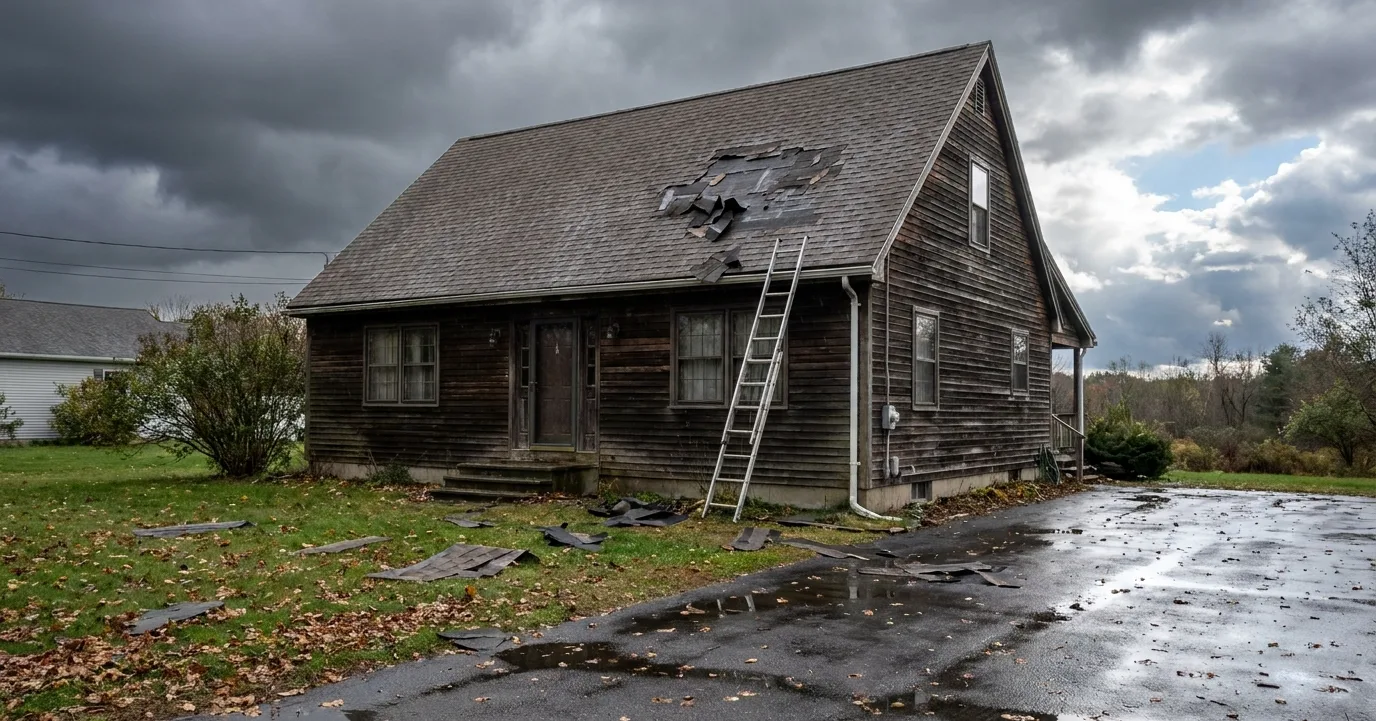
Technicians start at the ridge and work downward, noting granule loss, creased tabs, and lifted flashing before any repair begins.
Each impacted section receives a grid mark so repairs target only the bruised or creased areas without disturbing sound shingles.
New underlayment strips and sealed nail lines restore the deck protection before shingles are replaced in damaged zones.
Each service addresses a distinct part of storm recovery. Technicians match the method to the type of damage observed on site, from localized shingle work to full surface replacement when needed.
Technicians identify circular bruises where hail fractured the granule surface and underlying mat. They replace only the affected tabs and check for hidden fractures that allow water to reach the deck.
Crew members look for creased shingles along eaves and rakes where wind lifted and folded the material. Repairs include re-securing or replacing lifted pieces and sealing exposed nail heads.
When active leaks appear, crews apply reinforced tarps over the damaged section and secure edges with furring strips to divert water until permanent repairs can start.
Leaks traced to storm impact receive new flashing, boot replacements, or valley membrane as needed. Technicians verify the deck remains dry before closing the opening.
Individual damaged shingles are lifted, damaged pieces removed, and matching replacements nailed in place with proper offset so seams do not align with original rows.
Dented or pulled gutters from wind receive new hangers and realignment. Technicians also clear debris that can trap water against the fascia during heavy rain.
A full walk and drone review records hail hits, wind creases, and flashing condition. Photos and notes form the basis for any repair plan.
When bruising or creasing covers more than thirty percent of the surface, crews remove all layers and install new underlayment, drip edge, and shingles matched to the structure.
Hail leaves round bruises where granules are driven into the mat, often visible only at certain angles. Wind creates linear creases along the leading edge of shingles and can pull nails from the deck. Both allow water to travel under the surface during the next rain.
Technicians note whether water has reached the deck by checking for soft spots from inside the attic. They also look for displaced ridge caps and torn step flashing around penetrations. These signs indicate the storm path across the roof plane.
Homeowners can safely photograph the exterior from the ground and note any new interior stains on ceilings after heavy rain. Avoid climbing to inspect the surface.
Move vehicles away from the structure if possible and place buckets under active interior drips to protect flooring. Open attic access only if safe and photograph any water trails along rafters.
Document the date and approximate time of the storm along with visible exterior changes such as missing shingles or dents in metal vents. Keep these records for insurance purposes.
Avoid placing tarps yourself on steep slopes or in high wind. Wait for trained crews who secure edges properly to prevent further uplift.
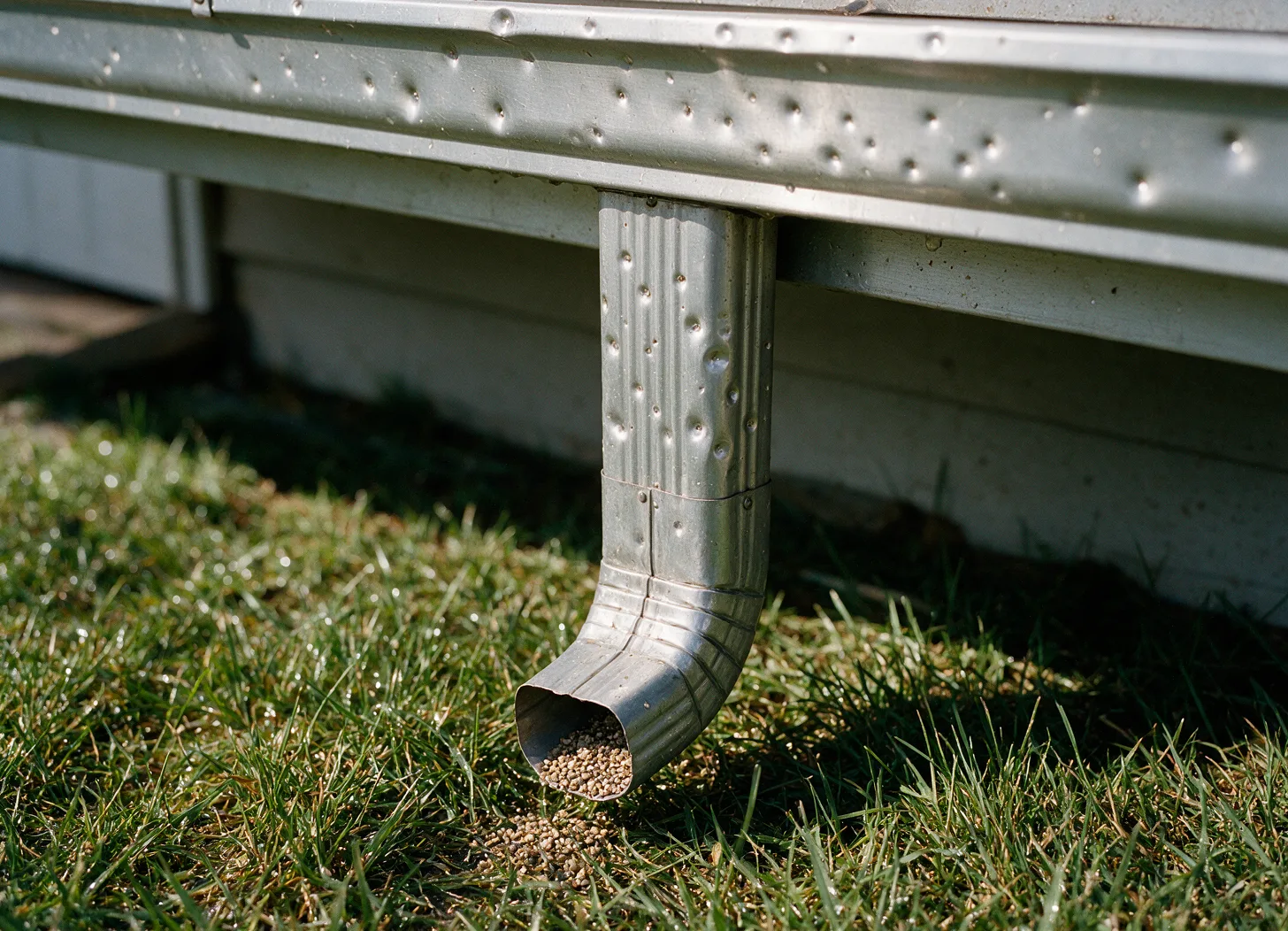
Grand Island Roofing Solutions follows a set sequence that keeps each step documented and focused on the affected areas only.
Technicians establish fall protection and staging areas, then walk the roof to confirm the storm path before any tools are used.
Photos and measurements record every bruised, creased, or lifted section so the repair plan matches the actual damage observed.
Tarps or temporary seals cover active leak points while crews prepare permanent materials matched to the existing roof.
After repairs finish, a second inspection confirms all marked areas received attention and no debris remains on the property.
Technicians begin with a ground-level perimeter walk to identify obvious debris and fallen branches. They then access the roof using proper fall protection and mark each bruised or creased area with chalk.
Flashing around chimneys, skylights, and vents receives close attention because wind often lifts these seals first. Any water stains on the deck are noted and dried before repairs continue.
All removed material is collected and disposed of according to local regulations before new components are installed.
The percentage of damaged surface determines the path forward. Isolated bruises allow targeted tab replacement while widespread creasing across multiple slopes usually requires full removal.
Age of the existing roof and remaining expected service life factor into the choice. Technicians also check whether prior layers have reached maximum weight limits before recommending additional shingles.
Homeowners receive a marked diagram showing exactly which sections need work so they can review the scope before any materials are ordered.
The extent of hail bruising and wind creasing directly affects how many squares must be addressed and whether underlayment replacement becomes necessary. Multiple layers on older roofs add removal time and disposal fees.
Access challenges such as steep pitch, multiple stories, or limited staging space increase labor hours. The type of shingles required to match the existing roof also influences material selection and installation sequence.
Older roofs often contain multiple layers that complicate inspection because damage can hide between courses. Technicians remove small test sections to verify deck condition before proceeding.
Rental properties require clear communication with property managers about access times and temporary weather protection so tenants experience minimal disruption.
Historic details such as decorative ridge caps or metal valleys are documented and matched during repair so the appearance remains consistent with the original structure.
They walk the surface at multiple angles during daylight, pressing on suspect tabs to feel for fractures in the mat. Attic checks reveal water trails that confirm whether bruises have allowed entry.
Do not attempt to patch from ladders or apply sealants on wet surfaces. These actions can mask the full extent of damage and create new leak paths that complicate later repairs.
Tarps stay until permanent materials arrive and weather allows work. Crews check strap tension after each wind event and adjust as needed to keep water diverted from the deck.
Yes when bruising or creasing is confined. Technicians replace only the affected courses and blend new shingles into surrounding areas so the roof plane remains consistent.
Removal of extra layers adds weight considerations and time. Technicians verify deck integrity before installing new underlayment and match the new surface to existing flashings.
Scheduling avoids peak tenant hours when possible. Temporary covers protect interior spaces and daily site cleanup keeps walkways clear for residents.
Grand Island Roofing Solutions technicians assess hail bruising and wind creasing across the USA and stabilize affected areas.